What’s more important, the electricity or food? But to us, they are both important.
This is the decision that we make every day – everybody.
That’s Vanessa Napaltjari Davis talking, from Alice Springs in the Northern Territory.
Vanessa is talking about the impact of extreme weather conditions on the cost of electricity.
It’s not the tariff changing, but households having to use more supply.
For people on low incomes having difficulty paying bills, that can mean power disconnection warnings.
For people on prepaid metering (where you pay for power before you use it) — like Vanessa, and more than 65,000 First Nations people in the Northern Territory, South Australia, Western Australia and Queensland — power can be simply cut off when the money runs out.
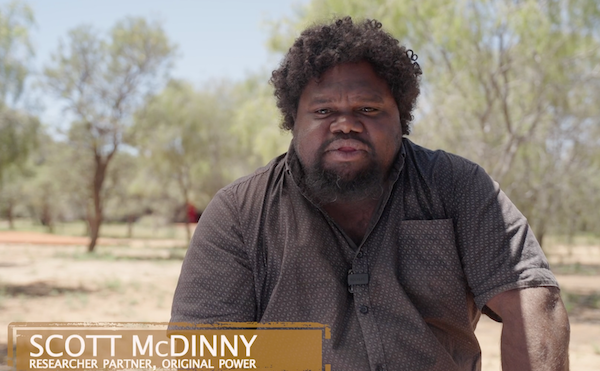
Watch a short video on the Right to Power research
Extreme heat is the most common cause of weather-related hospitalisations and deaths in Australia, reports Douglas Smith from Guardian Australia. Extreme temperatures become even more unlivable for communities reliant on expensive prepaid electricity.
Vanessa says “I usually put $70 a week on my electricity when it’s normal temperature, and it will last me until the next pay week. But because of this extreme hot weather, that $70 is only like two or three days.”
Original Power and researchers looked at the experiences of prepaid metering in their report 'Right to Power: Keeping First Nations communities on prepayment connected’.
They found, on average, households on prepayment experience 49 disconnections a year – or nearly one a week.
That report makes 6 recommendations, one of which is introducing a ban on disconnecting prepayment power if temperatures reach 40C or above.
Original Power then put a proposal for government to conduct a trial effectively banning electricity companies from disconnecting households when the temperature is above 40C.
Despite early indications the Federal government would act on this prior to heatwave season starting, they're “dragging their heels” on implementing the ban, says Lauren Mellor, co-director of Original Power’s clean energy communities program.
“It’s critical that governments and electricity retailers offer protection from disconnection on dangerously hot days.”
Everyone deserves access to clean reliable affordable power.
'Disconnection from power should be the last resort. For so many First Nations people, it’s an everyday event', says Scotty McDinny, a researcher on the report with Original Power.
The government needs to 'get moving' on heat and power protections.
This excerpt from an article in Guardian Australia was first published here